Got a newborn at home? Are you curious about the durability of bottle nipples while providing regular feedings for your little one? Well, sit tight! Like all good things, baby bottle nipples don’t last forever. They can lose shape, wear out, be discolored, or become unhygienic. But nothing to worry about; I’ve got your back! This guide will explain how long your nipple products last and when you should consider replacements. Let’s dive in and find out!
How long do baby bottle nipples last?
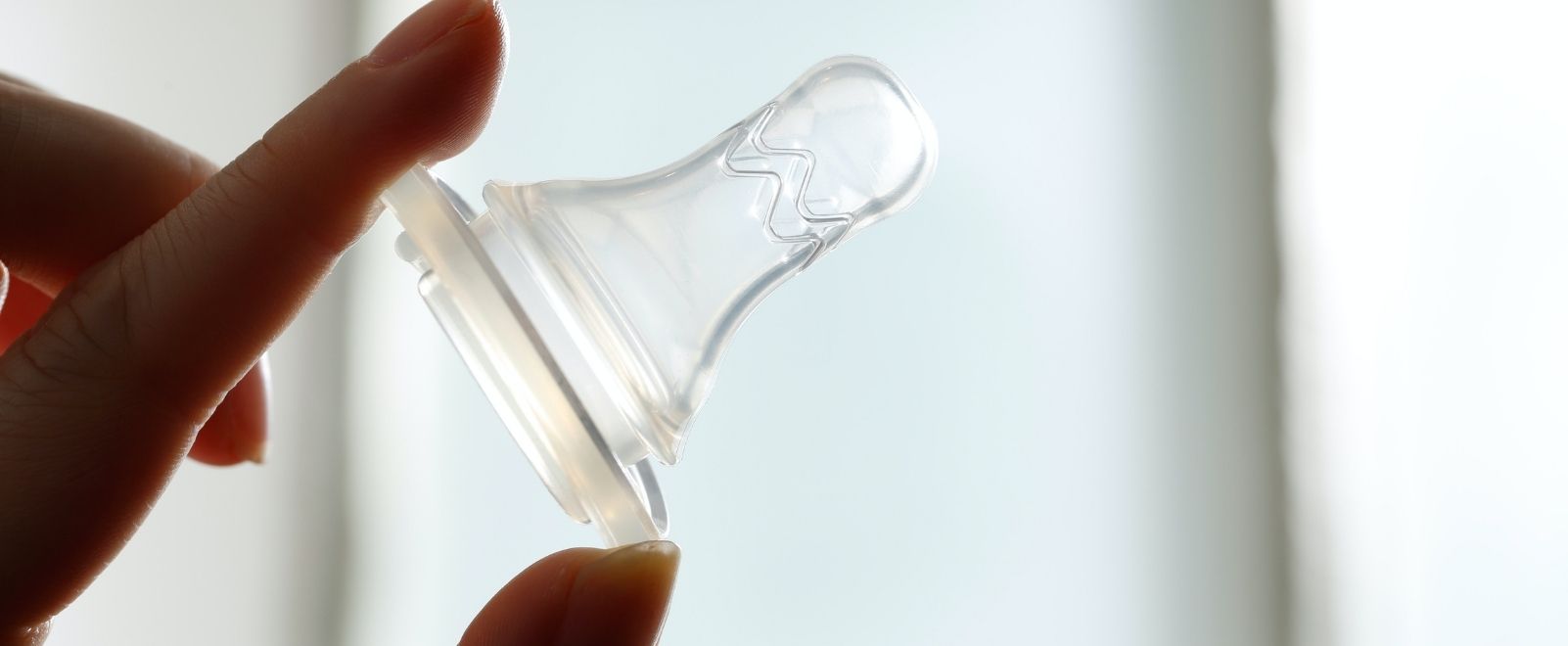
It is undoubtedly a great victory for the mums when their baby finally accepts a nipple shape and size. The baby enjoys their feeding time as long as their favorite bottle and nipple feed them until it’s time to upgrade the nipples. Whether the nipples are made of latex or silicone, they have a limited lifespan. Latex nipples break down faster than silicone ones and should be replaced every 2-3 months to ensure your baby gets a safe and clean feeding experience.
Hence, it’s wise to monitor the condition of baby bottle nipples for your child’s safety. It is important to check your baby’s nipples for any signs of wear and tear, such as cracks, discoloration, changes in shape, or milk flow problems. This should be done regularly to ensure they remain safe and provide the best feeding experience. Replace them as soon as you observe any of these indicators for your baby’s health and optimum feeding experience.

What are the signs to toss a teat?
Knowing when to replace your baby’s teats is crucial to your child’s well-being. If you experience any of the following signs, it could be time to retire the old nipple and get a new one: “Out with the old, in with the new”!
- When formula or breast milk starts to pour out – If you are dealing with a mess during feeding time as your baby’s teat has suddenly become a fountain, it’s an obvious sign that the teat needs to be changed.
- Discoloration – Do you see any strange hues on the nipple? It may be a brownish tinge, a funky yellow, or any other strange color; it’s a sign that screams, “The teat has overstayed its welcome and should be replaced.”
- Thinning – Sometimes, the teats become thinner over time; if you feel the thinness, it’s a confirmed red flag. Thin nipples are prone to wearing and tearing, and you certainly don’t hope for any accidents during the calm feeding sessions.
- Stickiness or swelling – The nipples should never exhibit any signs of swelling or feel sticky. If you see these signs, it is high time to get a fresh set and discard the old ones.
- Cracks, tears, or breaks – This sign does not demand you to think twice; instantly replace the nipples if you spot any cracks, tears, or outright breaks; they could become a home for germs and bacteria to reside in the tear or cracks, which is, definitely unsafe for your baby to use. Bid farewell to these nipples and get a fresh pair.
How do I clean baby bottles and nipples?
The bottle and nipple cleaning methods are simple, regardless of your use. Always remember to wash your hands before cleaning and washing your baby’s bottles and nipples.
Cleaning glass, metal, or silicone bottles
- Disassemble the bottle parts, such as the ring, nipple, and bottle cap.
- After every feeding, rinse the bottle with warm water to remove any formula or milk residue.
- Take a bottle brush, mild soap, or baby bottle wash and scrub the bottle and its parts. Focus on hard-to-reach areas of the bottle and clean thoroughly.
- Rinse the components again to remove all the soap residue.
- You can also sterilize the bottles daily with boiling water or sterilizers.
- After you have washed the bottles and nipples, let them sit on a drying rack for airdry.
Cleaning plastic bottles
Plastic bottles have the same cleaning process as above; you just need to know that plastic bottles are more prone to scratches; follow the guidelines mentioned below for safe and thorough cleaning:
- Use a soft cloth, brush, or sponge to clean the plastic bottle to avoid scrub scratches.
- With continuous usage for a long time, the plastic bottles may seem discolored, their measurements fade away, and they become worn. If you see these signs, you should retire them and get a new one.
Cleaning nipples and rings
- Wash the rings and the nipples with lukewarm water after every feeding.
- Apply a dish soap (mild) and clean them with a soft sponge or bottle brush.
- Remember that nipples do have hard-to-reach areas. To clean the nipples properly, you can get small-sized brushes made specifically for nipple and ring cleaning.
- Rinse the nipples and rings with warm water to wash off all the buttery leather.
- You can also sterilize the nipples with boiling water or sterilizers.
- Let the nipples for air dry on the drying rack.
- Take proper care of the cleanliness of nipples as they go in your baby’s mouth.
When to switch bottle nipple sizes?
To provide an appropriate flow rate to your formula or breastfed baby, it is essential to know when you should switch the nipple size. Comfortable and efficient feeding depends on the nipple size that is perfect for your baby. Follow the general guideline below to see when to move to the new nipple size.
Slow flow
This slow flow rate is specifically for the new Borns, breastfed, or younger infants. The nipple with a slow flow rate contains a smaller hole that allows milk to flow slower. Breastfed babies enjoy and accept this rate immediately because it mimics the breast flow rate. The babies from 0-3 months use the slow flow rate.
Medium flow
When your baby comes to 3-6 months of age, they become more adept at feeding. The growing baby needs a little less flow rate for a peaceful mealtime. This nipple contains a larger hole allowing the milk to flow quickly. When your baby has reached an increased feeding potential and demands more milk intake, this could be the best option for you.
Fast flow
If your baby shows signs of frustration, feeding but is still hungry, readiness, etc., you probably need to consider the nipple size. Babies of 6 months or older need a fast flow rate of milk because they are growing, and their demand for milk is increasing.
What if I’m exclusively pumping?
If you are pumping exclusively for your baby, the transitioning bottle nipple sizes considerations may differ slightly. Here are some guidelines to hold onto:
- Start feeding your baby with a slow-flow nipple.
- Monitor the feeding signs, cues, and comfort of your baby.
- If your baby is struggling or frustrated while feeding, you might need to adjust the nipple size.
- Pay attention to your baby’s preferences and feeding style.
- Effectively balance between efficiency and comfort.
How often should you replace your bottles?
That is a common question that pop-ups in the mother’s mind quite often; if you are not sure when to replace the baby bottles, follow the hints
If the nipples or bottles have visible cracks, you should retire them.
If the bottle smells odd even after washing or sterilizing it, it is the best time to say goodbye to it.
Plastic bottles are more prone to scratches and discoloration; consider replacing them when you notice these faults.
Summing up…
In conclusion, maintenance, proper care, and timely replacement of baby bottles and nipples are essential to your little bundle of joy’s health, comfort, and sa joy. Obviously, you won’t want to put that little munchkin’s health at risk. By being attentive to signs of wear and tear and following hygiene practices, you can ensure a positive feeding experience for your baby.
Parents Also Ask
Do baby bottles expire?
Baby bottles do not contain any specific expiry date, but you can replace them if they seem cracked, faded, or deteriorated.
How to bottle-feed your baby?
To bottle feed your baby properly, you need to hold them upright, support their neck and head, and tilt the bottle to fill the nipple with milk. Pause for small breaks and burp the baby after the feeding.
How to care for your baby bottles?
Keep the bottles clean and wash them with warm water after every feeding. Sterilize the bottles as per your requirement. Let the bottles air dry and inspect them for any potential cracks or discoloration.